

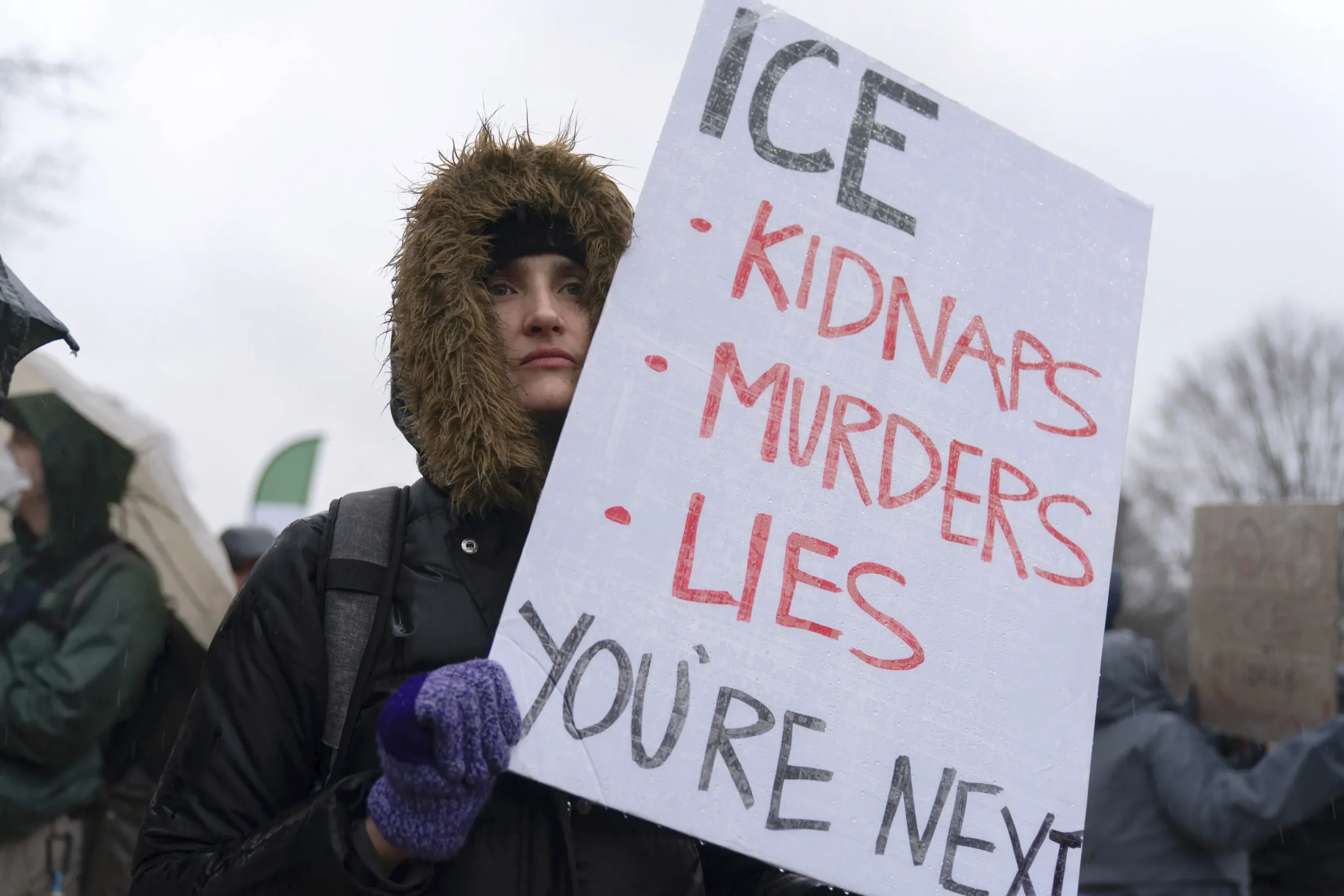
Minnesota has come under major national attention following an increased presence of Immigration and Customs Enforcement (ICE) agents in Minneapolis especially St. Paul area. Reports of American citizens being killed, migrants being shot, and children affected by enforcement actions have led to outrage, protests and growing distrust in the federal government. Many residents say these events highlight serious concerns about the ethics and consequences of aggressive immigration enforcement.
The increased ICE presence in Minnesota has reportedly led to widespread demonstrations across the state. These protests were triggered by enforcement actions that critics say place innocent people at risk and disrupt families and communities. As a result, activists organized a statewide economic blackout in an effort to pressure government officials into changing their approach.
With increased Immigration and Customs Enforcement activity across Minnesota, many residents have begun protesting what they see as the unethical removal of people from their homes and lives, regardless of how they arrived in the United States. Supporters of the enforcement effort argue that laws must be followed and that immigration rules exist for a reason. Opponents counter that strict enforcement often harms families, children and long-standing community members. The large scale operation, referred to as Operation Metro Surge, has expanded ICE activity throughout Minneapolis, St. Paul and surrounding areas. The visibility of federal agents has increased fear in many neighborhoods, particularly among immigrant communities, where residents report avoiding public spaces, work and school due to concerns about being detained.
Tensions rose significantly after Renee Good, an American citizen, was shot multiple times and killed during a confrontation involving federal agents. According to reports, Good was inside her vehicle, stopped in the middle of the road along with other drivers. After being questioned, she attempted to flee and was shot three times, resulting in her death.Good was a mother and wife, and her death quickly became a symbol of what critics describe as excessive force and poor judgment during enforcement actions. The incident sparked protests across Minnesota and gained nationwide media attention. Many demonstrators called for accountability and demanded an investigation into how an American citizen could be killed during an immigration-related operation.
Days later, tensions escalated again following the shooting of a Venezuelan migrant, Julio Cesar Sosa-Celis, during an ICE encounter on January 14. Sosa-Celis was shot in the leg after reportedly attempting to flee due to fear of detention. He was taken to a hospital for treatment and was later reported to be in stable condition.After receiving medical care, Sosa-Celis was placed into ICE custody. The incident further fueled protests and intensified criticism of ICE tactics, with many arguing that fear-driven encounters increase the risk of violence and harm.
One of the most emotional aspects of the public reaction has been concern for children and families affected by immigration enforcement. Reports and stories circulating online have raised alarm about young children being detained or separated from their parents. While not all claims have been independently confirmed, the fear surrounding family separation has caused widespread outrage. Parents across the country have expressed anger and concern, saying that immigration enforcement should not traumatize children or tear families apart. Advocates argue that even the perception of children being harmed reflects a deeper failure in how immigration policy is being enforced.
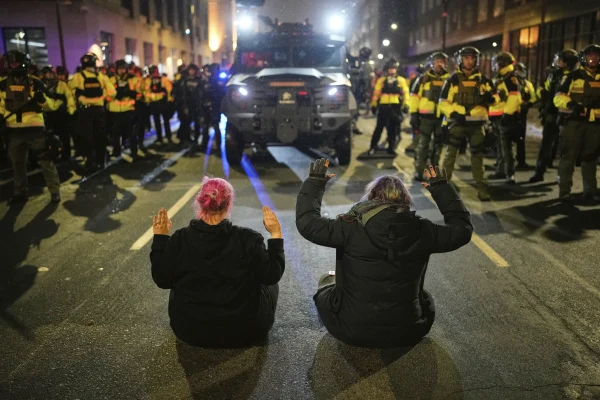
As frustration grew, Minnesota residents turned to a different form of protest: an economic blackout. Citizens across the state committed to not buying or spending money for a full day. The goal of the blackout was to demonstrate the economic power of everyday people and to show how deeply immigration policies affect the state as a whole. By refusing to shop, work or participate in the economy, protesters hoped to place financial pressure on businesses and government leaders, forcing them to respond. Organizers said the blackout was meant to be peaceful while still sending a strong message.
These events have contributed to increasing distrust in the federal government. Many Americans feel that domestic issues, such as public safety, economic stability and human rights, are being mishandled. Critics argue that the government has focused too heavily on enforcement rather than reform. As protests continue, Minnesota remains at the center of a broader national conversation about immigration, justice and the balance between law enforcement and human rights. For many teens and young people, these events are shaping how they view government power, civil liberties and the future of the country.