

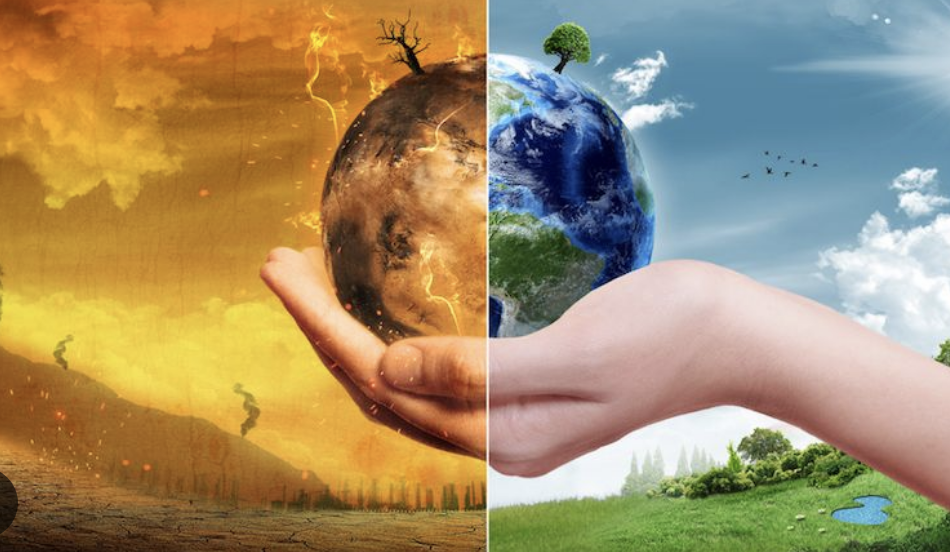
Climate change and global warming are affecting our planet every day, causing rising temperatures in environments known for being cold and colder temperatures in warmer climates. This has also led to extreme weather events and destroying ecosystems worldwide. Understanding these impacts are crucial as they not only affect our environments now, but the futures of them and our communities and upcoming generations to come.
Antarctica is known for being the furthest south region, full of icy cold temperatures and deep snow, along with large ice glaciers. It homes many animals such as penguins of all types, seals, large whales, and even polar bears. However though, it is also feeling the most change regarding global warming. It loses roughly 135 to 150 billion tons of ice annually, which eventually drives global sea-level to rise. With the ice melting, so does the ice shelves causing them to collapse. It warms the ocean and causes heatwaves. Reduction of sea ice affects krill population. A foundational food source for marine life. This results in a decline of penguin colonies.
This warmth allows for plants to grow more visible. Such as moss, lichen,
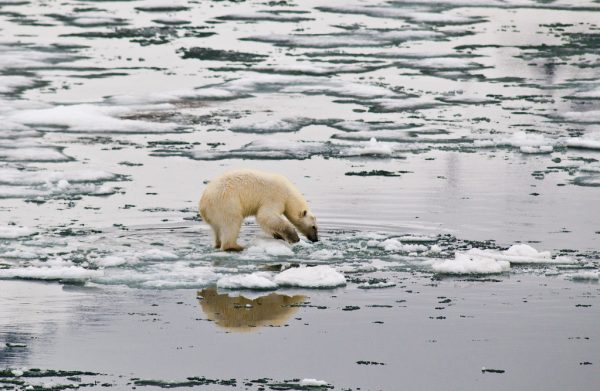
 and even algae. Otherwise referred to as “red snow.” This changes the landscape across what is usually a white field of snow. Heatwaves have gone up to 100°F, latest in March of 2022. Signaling a rapid increase in polar temperatures. Without cold temperatures or sheets of ice, polar bears population continues to decrease. Without a way of traveling, they are forced to fast longer and expend more energy on swimming and walking. They struggle to hunt seals leading to malnutrition. Overall, this can also reduce reproduction. Due to lack of food, they sometimes seek food on land near human refuges. This causes some human conflict
The rapid increase of global warming isn’t a mystery, it is merely the product of increased carbon gas emissions from greenhouse gases produced by humans. This comes from agriculture, cars and planes from transportation, industrial machinery, and standard electricity. Greenhouse emissions produce about 30% of global pollution. The real question is, what could we do now to decrease the harmful changes to our future for our planet?
SOURCES :
https://discoveringantarctica.org.uk/climate-change/impacts-of-climate-change/