

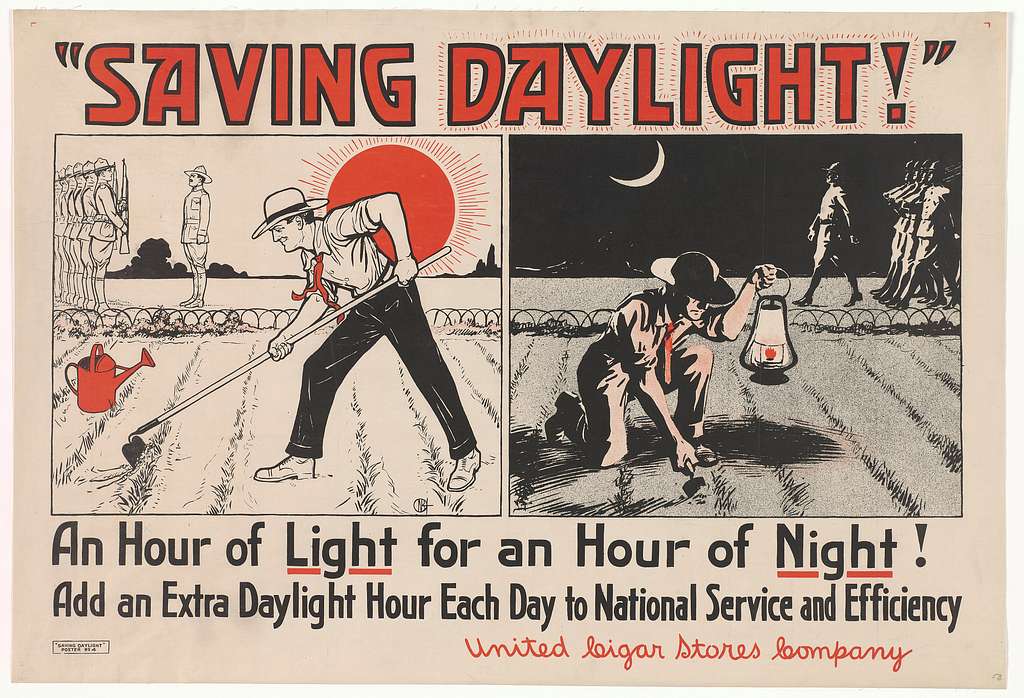
Look alive, Sunshine. This week, daylight saving time has reset the clock back an hour in the United States, meaning everybody will be losing an hour of sleep and move on autopilot for the next week. Although you may not notice the clock changing on its own and time moving the same, your body will notice the change, so buckle up for a long, sleepy week while your body adjusts to the new time. These changes happen every year from the second Sunday in March to the first Sunday in November.
This holiday is often one of the most dreaded by people around the world as it throws off the routine they have had instilled for months, as well as messing with their sleep schedule. But what started this yearly tradition? In 1905, William Willett suggested the idea of moving clocks an hour ahead to take advantage of the daylight in the mornings. However, this idea did not come to light until 1916, when World War 1 broke out, and was used to replace artificial lighting to save fuel for necessities in the war. It was quickly followed by Britain and many other countries, but it was not until World War 2 that the holiday would return.
But, why do we still have daylight saving time if it’s been decades since the wars? Well, people continue uphold the tradition to save energy. Many people argue that having more daylight hours can benefit public safety and health. Overall, it can be a good thing if you look at it in the right perspective. So, even if it may mess with your sleep and routines, it can be beneficial to your life.