

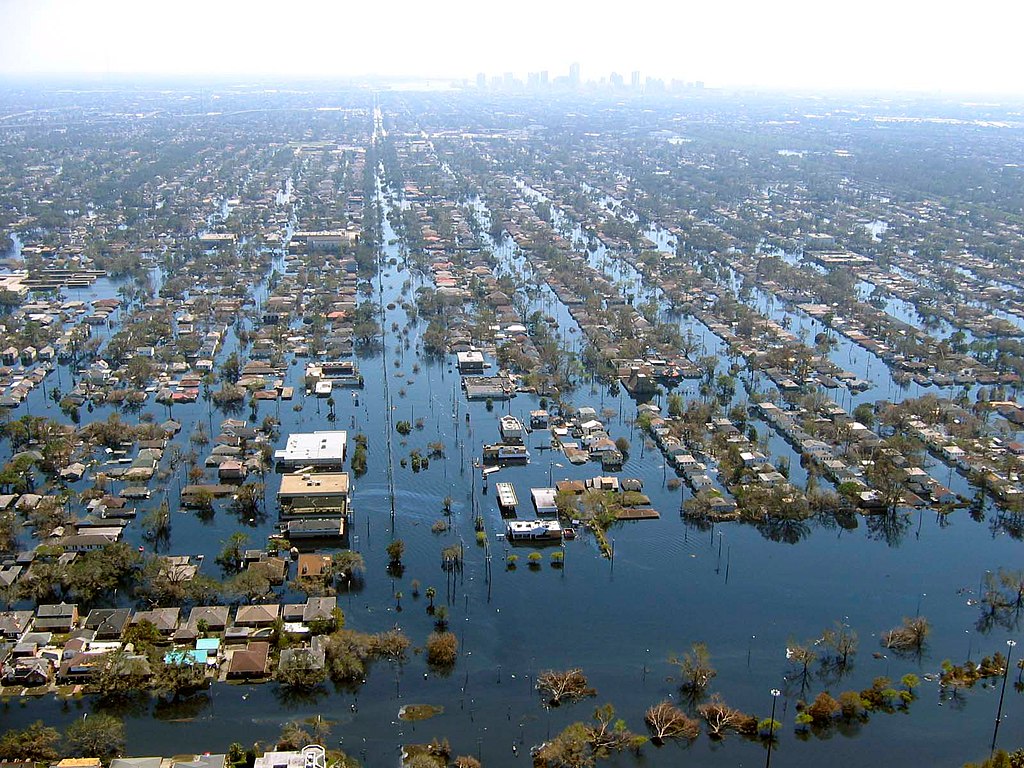
In late August of 2005, Hurricane Katrina made landfall, hitting New Orleans with a huge force. The storm, characterized by its expansive size and intense strength, brought destructive winds and tons of rainfall. Evacuation orders were issued but a segment of people remained. They either stayed in their homes or seeking refuge in the Superdome.
The storms impact was severe, with high winds and relentless rain. Unfortunately, the levee system failed, leading to widespread inundation. Floodwaters took over streets and residences, forcing tons of individuals to seek higher ground, often on rooftops
Conditions within the Superdome deteriorated rapidly due to overcrowding and scarcity of resources. The city outside was submerged, impeding rescue efforts. The subsequent days exposed a tale of survival and government failure.
In the chaotic aftermath, people sought refuge on rooftops and in the Superdome, which became a symbol of crisis due to its bad conditions. Communication networks collapsed, roads became impassable, and basic necessities were scarce. Families were separated, the vulnerable were left to fend for themselves, and a sense of abandonment grew as the watched in disbelief.
The human cost of Katrina became clear with over 1,800 people dead, many died in floodwaters or due to harsh conditions. Reporters surfaced bodies in the streets, while the Superdome and Convention center became overcrowded shelters plagued by violence, disease, and lack of resources. The agonizing wait for rescue and relief stretched on, with many feeling forgotten as the government’s response was slow.
Eventually, relief efforts were mobilized, with military and law enforcement personnel arriving to conduct rescues through boats and helicopters. Evacuees were transported to safe locations where essential provisions were available.
The storm profoundly altered New Orleans, leaving extensive damage to infrastructure. Recovery and reconstruction efforts spanned several years.
Even now, Hurricane Katrina remains a significant historical event, underscoring the importance of disaster preparedness and community resilience. The storms’s legacy persists , with ongoing efforts to enhance infrastructure and emergency response capabilities.