

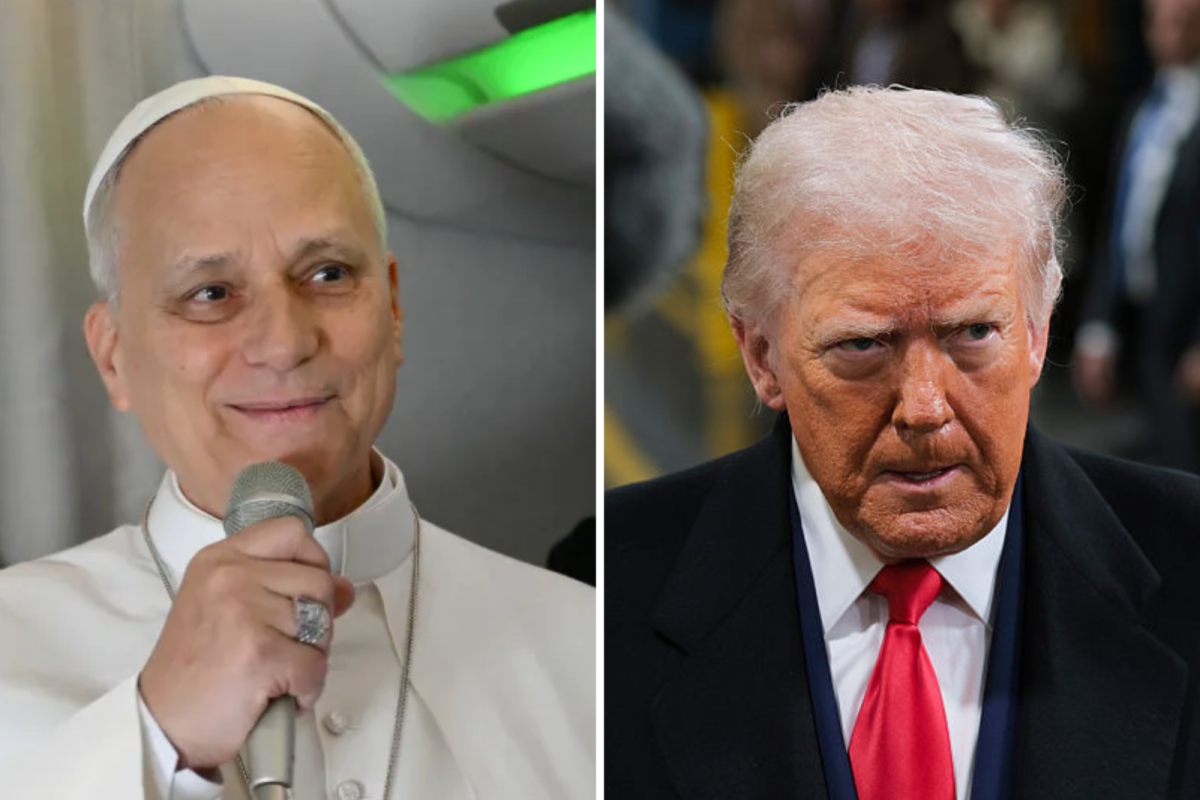
When people think about conflicts in politics, they usually imagine world leaders arguing with each other. But one of the more surprising disagreements in recent years was between Donald Trump and Pope Francis. Even though one is a political leader and the other is a religious leader, their conflict gained a lot of attention because it showed a deeper divide in values and priorities that affects people all over the world.
Donald Trump, during his presidency, focused heavily on ideas like border security and putting America first. One of his main goals was building a wall along the U.S.-Mexico border to reduce illegal immigration. He argued that this would protect jobs, reduce crime, and keep the country safe. Many of his supporters agreed with this approach and believed strong borders were necessary for a stable nation.
On the other hand, Pope Francis has consistently spoken about helping migrants and refugees. He believes that people should be treated with compassion and dignity, no matter where they come from. He often talks about the importance of caring for the poor and welcoming those in need. Because of this, he has criticized policies that seem to turn people away or treat them as less important. This difference in views is what really caused tension between the two leaders.
One of the most talked-about moments came when Pope Francis said that building walls instead of bridges is not what Christianity teaches. Many people saw this as a direct criticism of Trump’s border wall plan, even though the Pope did not mention him by name at first. Trump responded by saying the Pope did not fully understand the dangers the United States faces. This exchange quickly spread through the media and sparked debates among both political and religious groups.
They also disagreed on other major issues, such as climate change. Pope Francis has been very vocal about protecting the environment and has encouraged countries to work together to address global warming. He even wrote about it in his work Laudato Si’, where he calls for people to take responsibility for the planet. Trump, however, made decisions like pulling the United States out of international climate agreements, arguing that they were unfair to American workers and businesses. This again showed a clear difference in what each leader believed should be prioritized.
Even though they disagreed on many topics, it is important to recognize that they were not completely opposed on everything. For example, both held more traditional views on certain social issues, such as abortion. This shows that their relationship was more complex than it might seem at first. It was not simply one side being right and the other being wrong, but rather two leaders with different perspectives shaped by their roles and beliefs.
Public reaction to their conflict was mixed. Some people supported Trump and believed he was protecting the country and standing up for national interests. Others agreed more with Pope Francis and felt that compassion and global responsibility should come first. This divide could even be seen within religious communities, especially among Catholics in the United States.
In the end, the conflict between Trump and Pope Francis matters because it raises a bigger question about leadership and values. Should leaders focus more on protecting their own country, or should they prioritize helping people around the world? There is no easy answer, but their disagreement encouraged people to think more deeply about what kind of leadership they believe in and what values matter most to them.