

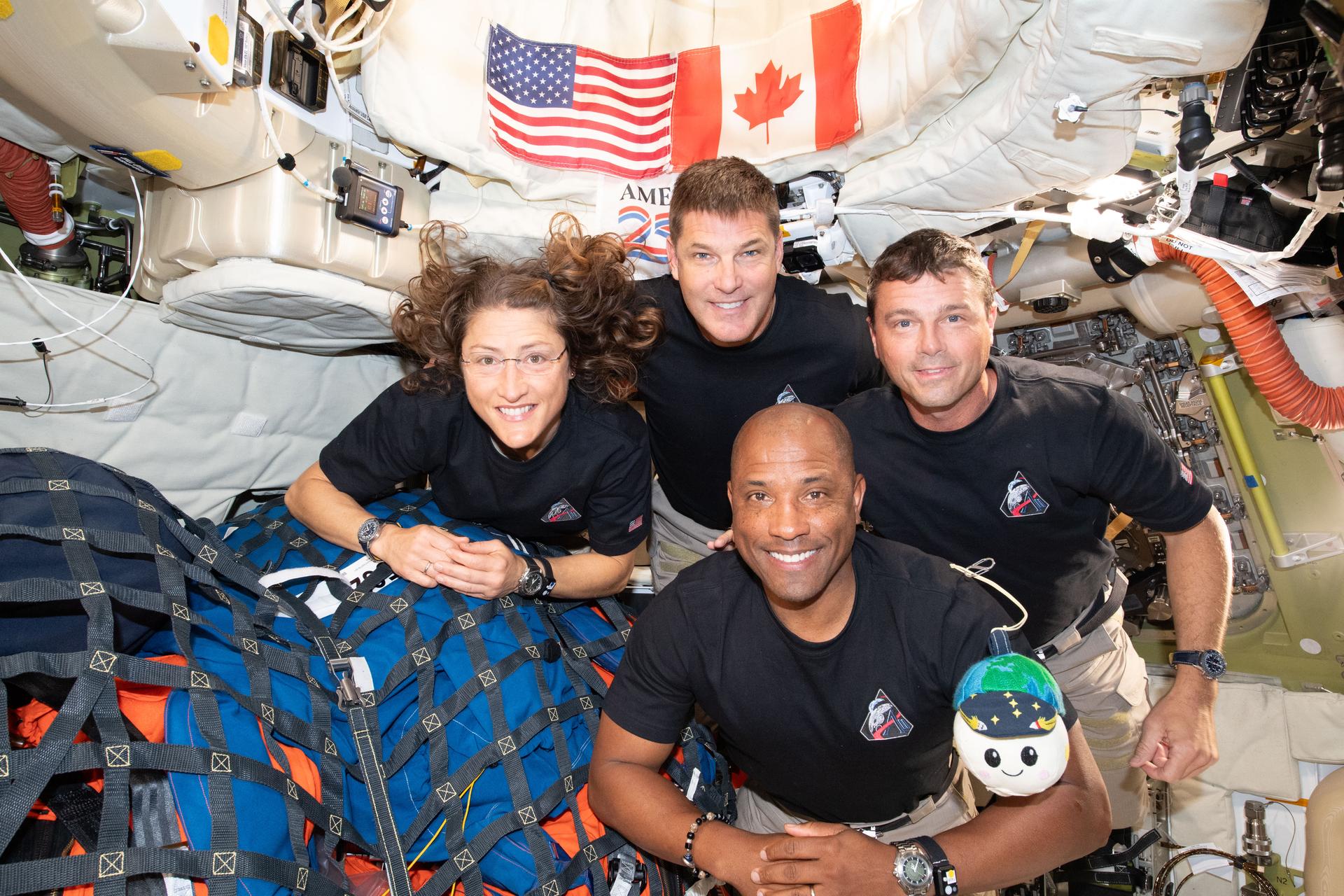
The safe return of the Artemis II crew marks the successful finish of the first mission with people to the moon’s area since 1972. This ten day flight proved that the Space Launch System rocket and the Orion spacecraft can keep humans safe in deep space. This success helps NASA get ready for future landings on the moon’s surface.
Commander Reid Wiseman, Pilot Victor Glover, and Mission Specialists Christina Koch same Jeremy Hansen traveled thousands of miles past the far side of the moon. This path let the crew reach the furthest distance from Earth ever reached by humans. During the trip, the crew ran important tests on the Orion Capsule’s radio and air systems. They had to make sure the equipment worked well in harsh environment of space.
The mission ended with a fast return into Earth’s atmosphere. The Orion spacecraft’s heat shield survived temperatures near 5,000 degrees Fahrenheit before the capsule opened its parachutes for a landing in the Pacific Ocean. Team from the U.S Navy and NASA were waiting nearby to pick up the astronauts and the spacecraft, finishing the main goals of the flight.
Engineers at the Kennedy Space Center are now looking at the data from the flight. This information is very important for the next mission, Artemis III, which plans to land the first woman and first person of color near the moon’s South Pole. The way the spacecraft worked during the trip gives NASA the confidence to start building the Gateway, a planned station that will stay near the moon.
For students and young people watching, the success of Artemis II shows that moon travel is becoming a reality again. The mission proved that teamwork and smart engineering can solve problems of deep space, moving the world one step closer to living on the moon.