

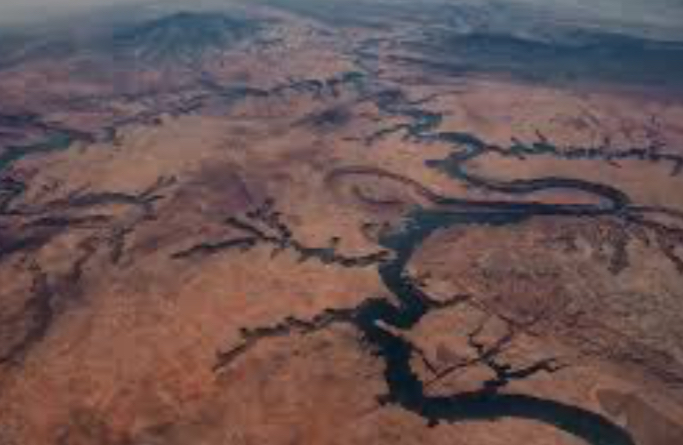
Geology is the science that studies the earth— its materials, history and the force that shapes it. From towering mountains to tiny grains of sand, everything beneath out feet has a story, and geologists are people who work to uncover it.
Geologists study rocks, minerals, and landforms to understand how the earth has changed over millions of years. They examine layers of rock, called strata, which act like pages in a history book. Each layer can reveal clues about past environments, such as ancient oceans, volcanic eruptions, or even mass extinctions. By analyzing fossils and rock formations, geologists can piece together what life and conditions were like long before humans existed.
One important concept is geology is plate tectonics, which explains how the Earth’s surface is divided into large sections called tectonic plates. These plates slowly move over time, causing earthquakes, volcanic activity, and the formation of mountains. For example, when two plates collide, they can push land upwards creating mountain ranges like the Rockies.
Geologists don’t just study the past—they also help people in present. They play a key role in finding natural resources such as oil, atúfalo gas, and minerals used in everyday products. They also study natural hazards like earthquakes, landslides, and volcanoes to help communities prepare and stay safe. By understanding how these events happen, geologists can help reduce damage and save lives.
Many geologists spend time in the field, collecting rock samples and observing landscapes. Others work in laboratories, using advanced tools to analyze their findings. Some even use technology like satellites and computer models to study earth from a distance.
In a world constantly changing, geology helps us understand both where we came from and what might happen next. Thanks to geologists, we can better appreciate the ground we walk on —and the powerful force that continues to shape it.