

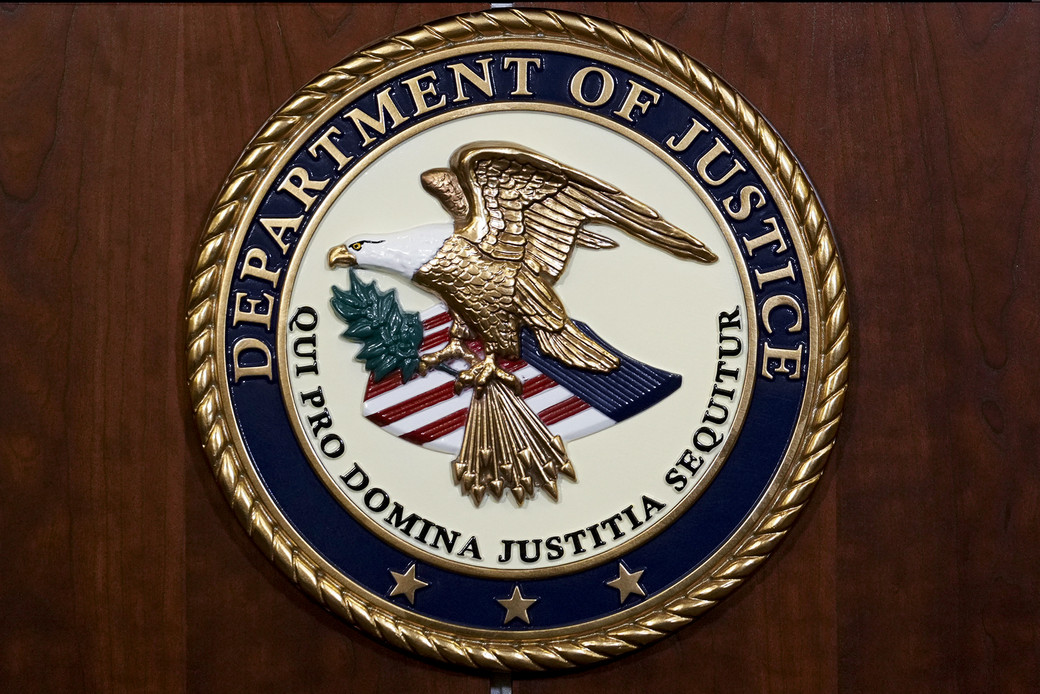
Washington, D.C. — The United States Department of Justice is considering expanding federal execution methods under the administration of Donald Trump, including the possible use of the firing squad. The proposal comes as lethal injection faces ongoing challenges, such as drug shortages, legal battles, and concerns over botched procedures that have delayed executions nationwide.
Supporters argue the firing squad could serve as a more reliable and efficient alternative. Some legal analysts claim it may result in a quicker death compared to lethal injection, reducing prolonged suffering in certain cases. Others emphasize that the federal government has a duty to carry out lawful sentences once appeals are exhausted, viewing the addition of alternative methods as a practical solution to ensure the justice system functions without disruption.
Critics, however, strongly oppose the move, calling it a step backward to a more violent and outdated form of punishment. Many point to the Eighth Amendment to the United States Constitution, arguing that the firing squad could be challenged as unconstitutional. Civil rights groups and religious leaders have also raised ethical concerns, particularly questioning how support for the death penalty aligns with broader “pro-life” beliefs.
The proposal has also sparked concern among legal experts, who warn it could lead to new court challenges and further delays. International reaction may be another factor, as many U.S. allies have abolished capital punishment and could view the change as a regression in human rights standards. These concerns highlight the broader implications beyond domestic policy.
As debate continues, the issue has reignited national discussion not only about execution methods, but about the future of the death penalty itself. With public opinion divided, the Justice Department has yet to make a final decision, leaving the proposal as both a legal and moral flashpoint in American politics.